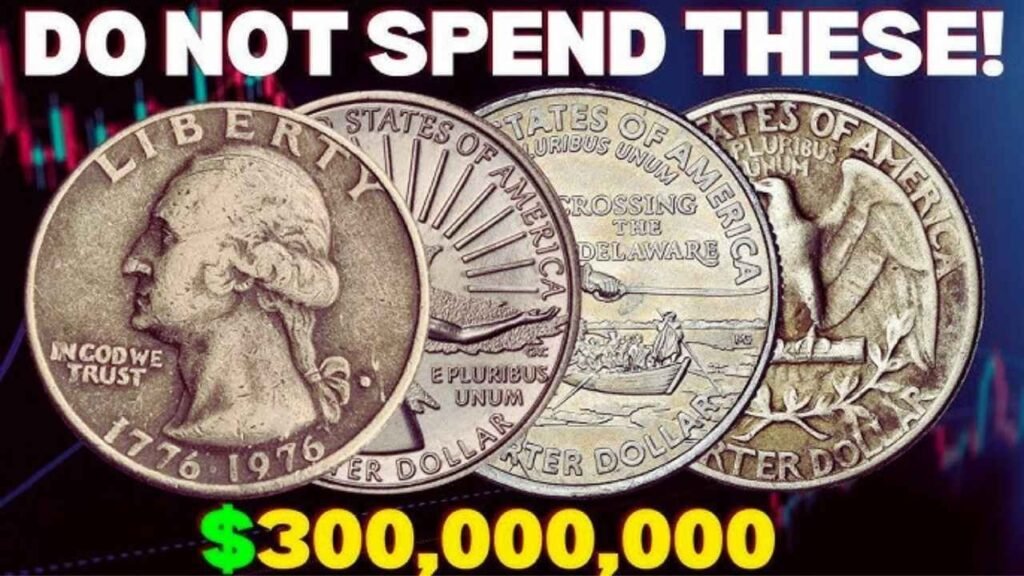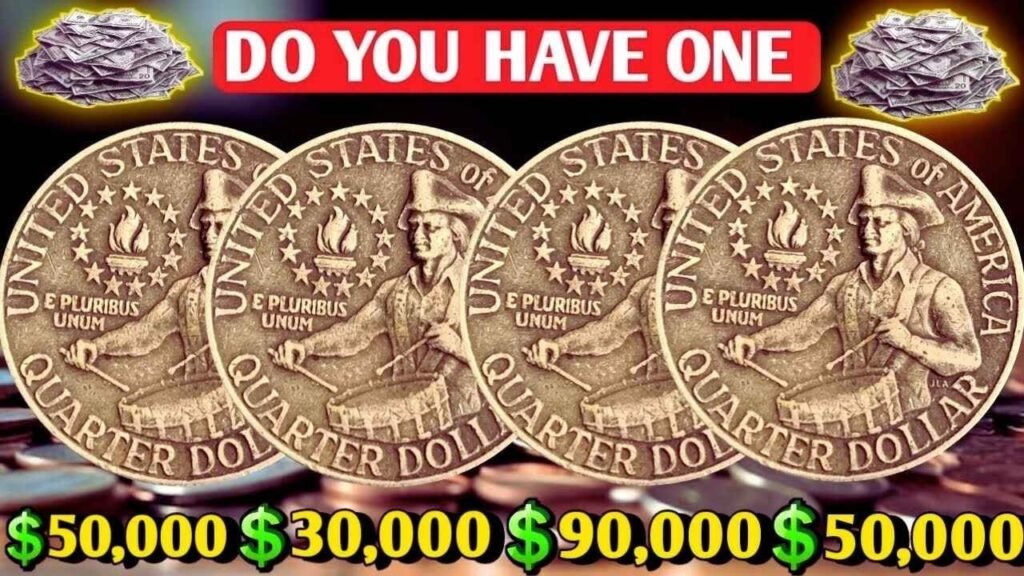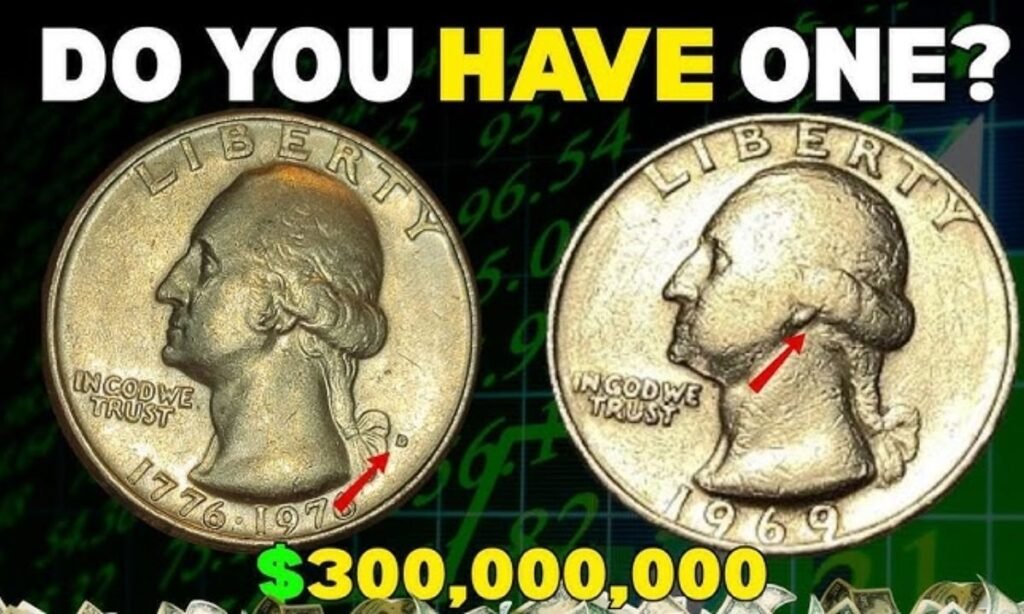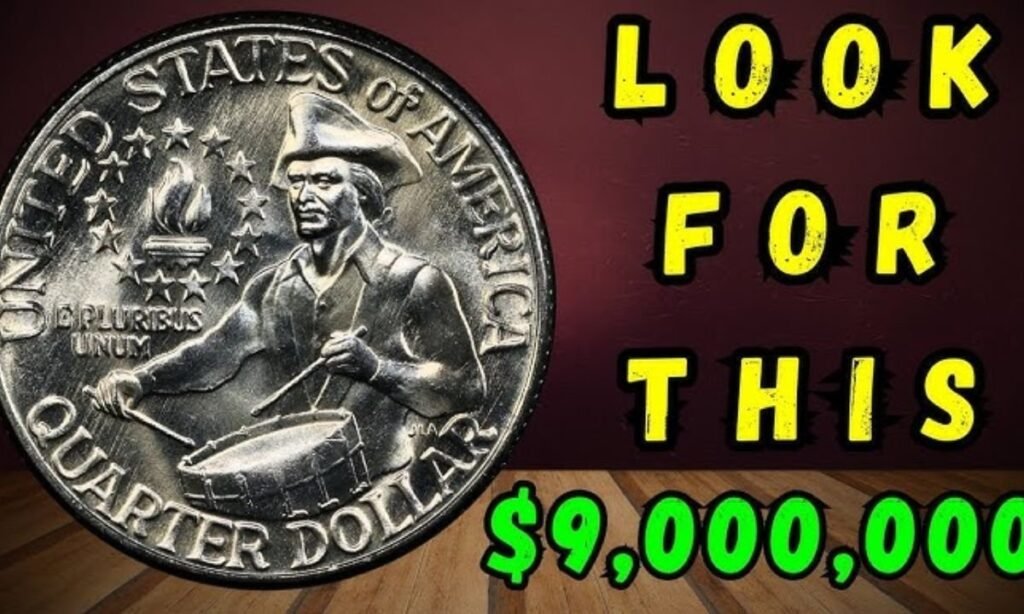
Coin collectors are buzzing over a jaw-dropping discovery: a 1976 Bicentennial quarter valued at $4 million. This isn’t your everyday pocket change—it’s a rare gem from America’s 200th birthday celebration that could turn a simple find into life-changing wealth. Here’s what makes this coin so special and how you might uncover one yourself.
The Story Behind the Bicentennial Quarter
In 1976, the U.S. Mint rolled out special quarters to mark the nation’s bicentennial, featuring a drummer boy on the reverse instead of the usual eagle. These coins circulated widely, with over a billion minted across Philadelphia, Denver, and San Francisco facilities. Most sat in jars or vending machines, but one standout version has skyrocketed in value due to its extreme rarity and flawless condition. Experts believe production errors or unique strikes set this $4 million piece apart, turning a symbol of patriotism into a collector’s dream.
What started as a patriotic push by the government ended up creating numismatic history, as certain anomalies during minting made a tiny batch priceless.
Key Features That Scream Rarity
Spotting the million-dollar 1976 quarter means knowing exactly what to look for under magnification. This coin’s value hinges on subtle details that separate it from the pack. Collectors pay top dollar for pristine examples with specific markers.
- Check the obverse for an unusually sharp Liberty portrait with doubled outlines on the hair and forehead.
- Examine the reverse drummer closely—look for off-center strikes or die cracks forming a visible “bubble” on the drum.
- Inspect edges for a reeded pattern that’s bolder and deeper than standard quarters from that year.
- Verify the mint mark: a faint, doubled “S” under the torch signals the San Francisco super-rare variant.
These traits, combined with a grade near perfect from services like PCGS or NGC, push the price into the millions.
Why This Coin Commands $4 Million
Market demand fuels the fire for this bicentennial beauty. High-profile auctions have seen similar rarities fetch seven figures, driven by wealthy investors and museums chasing American history in metal form. The coin’s story adds allure—a one-in-a-million minting fluke preserved in top shape over decades. Unlike common circulated quarters worth just face value, this one’s scarcity and condition create explosive worth. As interest in error coins surges, prices keep climbing, making it a smart hold for savvy owners.
From garage sale finds to estate cleanouts, tales of everyday people striking it rich keep the hunt alive.
Step-by-Step Guide to Checking Your Coins
Don’t toss that old quarter jar just yet—grab a magnifying glass and follow these steps to see if you’ve got a winner. Start with coins dated 1976 featuring the distinctive reverse design.
- Sort by mint mark: Pull out Philadelphia (no mark), Denver (D), and San Francisco (S) versions first.
- Clean gently with a soft cloth—never polish, as it destroys value—and scan for doubling or cracks.
- Weigh the coin: True rarities often tip slightly heavier due to metal variances.
- Compare online images of known high-value examples, focusing on eye appeal and strike quality.
If it passes these tests, rush it to a professional grader before excitement fades.
What to Do If You Find a Potential Jackpot
Stumbled on a suspect? Act fast but smart. Store it in a protective holder away from light and grime. Contact a reputable dealer or grading service for authentication—they’ll slab it if it’s legit, boosting resale value. Auctions like Heritage or Stack’s Bowers are prime spots to cash in, often drawing global bidders. Remember, patience pays: rushed sales undercut worth, while verified pieces soar.
This discovery reminds us that fortune favors the observant.
The Bigger Picture for Coin Hunters
Beyond the $4 million quarter, the bicentennial series hides other sleepers waiting for sharp eyes. The hobby thrives on education and persistence, with communities swapping tips on forums and shows. As metal prices rise and supply dwindles, now’s prime time to dive in. Whether you’re a newbie or veteran, every roll could rewrite your story.
In the end, this rare quarter proves history’s treasures hide in plain sight, rewarding those who look closely.
FAQs
What makes the 1976 Bicentennial quarter worth $4 million?
Its ultra-rare minting error, perfect condition, and historical tie to America’s 200th birthday drive the massive value.
How many of these $4 million quarters exist?
Very few—likely just a handful in top grade, making each one a numismatic unicorn.
Can I check my quarters at home?
Yes, use a loupe for doubling, cracks, and mint marks, but get pro grading for confirmation.
Where should I sell a valuable find?
Top auction houses or certified dealers ensure the best price after authentication.
Are other 1976 quarters valuable too?
Common ones aren’t, but error varieties in high grades can fetch thousands.