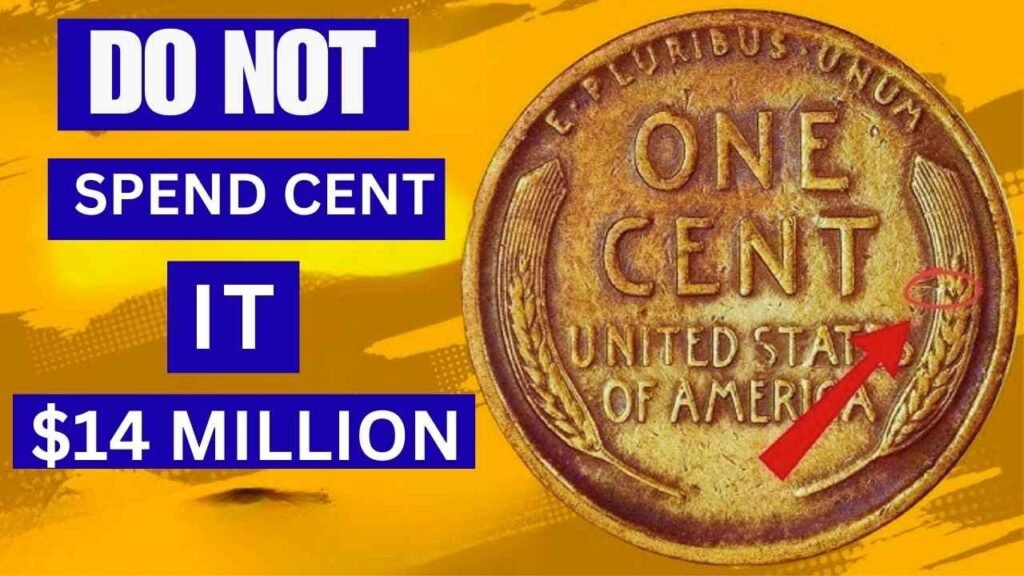
Rare coins are no longer just museum pieces or auction headlines. In 2026, collectors are actively paying big money for hidden coin finds that many people still overlook. From old pocket change to forgotten drawers, valuable coins are being discovered in everyday places. This guide explains which rare coins matter most, why collectors want them, and how ordinary people are finding coins worth thousands.
Why Rare Coins Are Suddenly in High Demand
Coin collecting has grown rapidly in recent years. More collectors are entering the market, and the supply of truly rare coins keeps shrinking.
Main reasons demand is rising include:
- Fewer high-quality coins surviving over time
- Strong interest from new collectors
- Increased awareness through online communities
- Long-term value stability compared to other collectibles
As demand grows, prices continue climbing for coins with real rarity.
What Makes a Coin Truly Rare
Not every old coin is rare. True rarity comes from a combination of factors that collectors value deeply.
Coins are considered rare when they have:
- Extremely low mint numbers
- Production errors or unusual features
- Limited release or short production runs
- Strong historical significance
- Excellent condition with original details
The more rare traits a coin has, the higher collectors are willing to pay.
Hidden Coins That Surprise Collectors
Some of the most valuable coins were never meant to be rare. They became valuable because of accidents, changes, or overlooked details.
Hidden finds often include:
- Coins with small but important errors
- Coins from years with sudden design changes
- Coins pulled early from circulation
- Coins saved unknowingly for decades
Many collectors search circulation carefully because valuable coins still slip through unnoticed.
Error Coins Bringing Huge Payouts
Mint errors are one of the biggest reasons collectors pay premium prices. These mistakes happen during production and cannot be recreated.
High-value errors include:
- Double lettering or numbers
- Off-center strikes
- Missing or incorrect mint marks
- Partial designs or mismatched parts
- Wrong metal usage
Clear, visible errors are especially desirable and can push values into the thousands.
Old Coins With Unexpected Value
Age alone does not make a coin valuable, but older coins often carry traits collectors love.
Why older coins stand out:
- Lower survival rates
- Handled with less modern precision
- Strong historical appeal
- Often contain precious metals
Coins that remain in great shape despite age attract the highest prices.
Condition Can Multiply a Coin’s Worth
Two identical coins can sell for vastly different amounts based on condition alone. Collectors carefully inspect every detail.
Condition is judged by:
- Sharpness of design features
- Surface marks and scratches
- Original shine and texture
- Signs of wear or damage
Coins with minimal wear are far more valuable than heavily used examples.
Coins Found in Everyday Places
Some of the best discoveries happen outside of auctions and dealers. Regular people are still finding rare coins without realizing it.
Common places rare coins turn up:
- Old jars of loose change
- Family inheritance boxes
- Desk drawers and safes
- Coin rolls from banks
- Estate cleanouts
Careful inspection can turn ordinary finds into valuable assets.
Why Collectors Pay Thousands for Small Details
Collectors value precision. Tiny differences that seem unimportant to others can dramatically change a coin’s price.
Details that drive prices higher:
- Slight design variations
- Short-lived mint changes
- Clear error visibility
- Original untouched surfaces
Coins that look almost identical can have completely different values.
Holding vs Selling Valuable Coins
Once a valuable coin is found, deciding what to do next matters. Some collectors prefer long-term ownership, while others sell quickly.
Things to think about:
- Current market demand
- Personal collecting goals
- Coin rarity and condition
- Future appreciation potential
Many collectors choose to hold rare coins as long-term assets.
Rare coins are not just collector fantasies. In 2026, real money is being paid for hidden finds that most people still overlook. Error coins, low-mintage issues, older pieces, and high-condition examples continue to command big prices. With careful observation and proper handling, anyone can discover valuable coins hiding in plain sight and turn small finds into serious collectibles.
FAQs
Are rare coins still found in circulation?
Yes. While uncommon, valuable coins still appear in everyday change.
Do all error coins have high value?
No. Only clear and significant errors usually bring high prices.
Should I clean a coin before selling it?
No. Cleaning often lowers value and damages surfaces.
How do I know if my coin is rare?
Check year, design details, condition, and any unusual features.
Is coin collecting a good long-term investment?
Rare coins often hold value well, especially those with proven demand and scarcity.