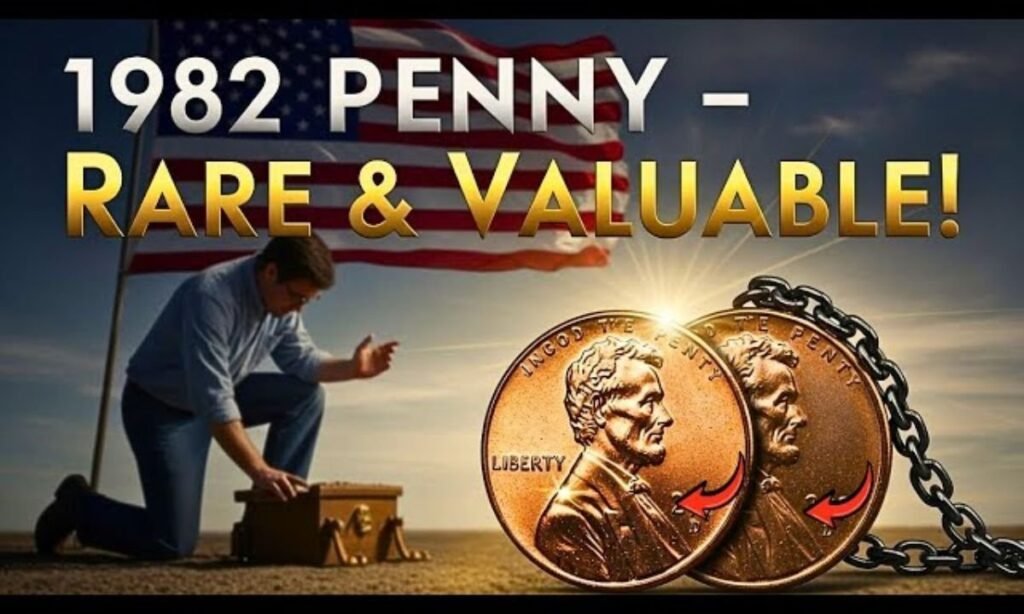
Have you ever dug through your loose change jar and wondered if one of those old pennies sitting there could actually be worth thousands of dollars? Sounds crazy, right? But it’s 100% real. Certain 1-cent coins — better known as pennies — have hidden value that can turn pocket change into serious money. We’re talking about rare pennies that collectors go wild over.
In this article, we’ll break down exactly why some ordinary-looking 1-cent pieces are worth way more than face value, what makes them special, and how you might spot one in your own collection.
Why Most Pennies Are Worth Just 1 Cent (But Some Aren’t)
The typical penny you get in change today is made mostly of zinc with a thin copper coating. These modern ones aren’t worth hunting for. But go back a few decades — or even further — and things get interesting.
Older pennies were made of 95% copper, which gives them a different feel and sound when you drop them. More importantly, minting mistakes, low production numbers, and special years make certain ones extremely rare. Collectors and investors pay big money for these error coins or key-date pieces.
Here’s the exciting part: you don’t need to be a coin expert to find one. Many valuable pennies have been discovered in everyday change or old jars passed down from grandparents.
The Most Famous Valuable Pennies (And Their Crazy Prices)
Let’s look at some of the heavy hitters that have made headlines:
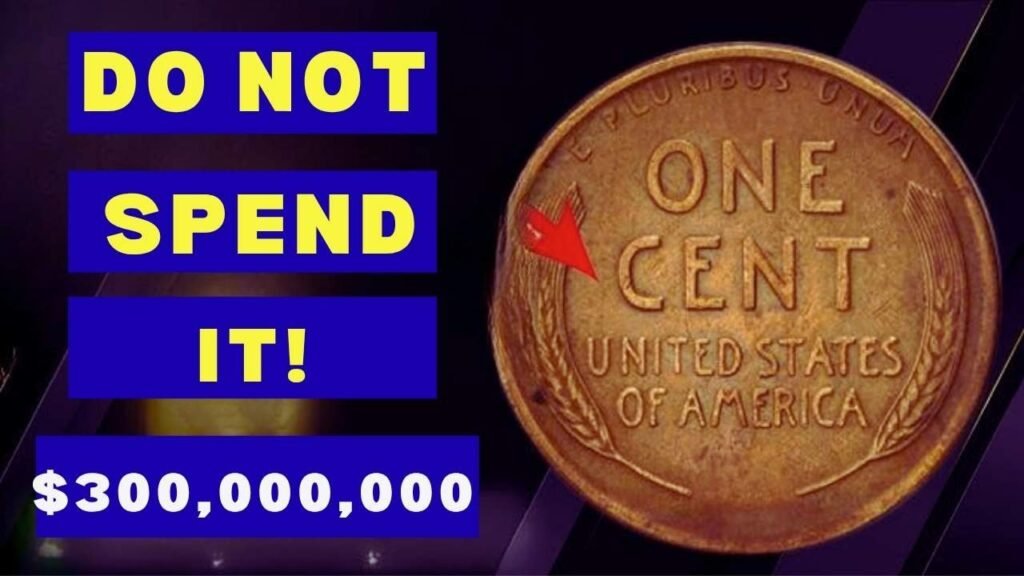
- 1909-S VDB Lincoln Penny This is the king of rare pennies. Only about 484,000 were made with the designer’s initials “VDB” on the reverse. In top condition, these can sell for $2,000 to over $100,000. Even worn examples often go for $600–$1,500.
- 1943 Bronze Penny During World War II, all pennies were supposed to be made of steel (to save copper for the war effort). But a few were accidentally struck on leftover bronze planchets. These “wrong metal” errors are ultra-rare. One sold for over $1 million at auction!
- 1955 Doubled Die Obverse This famous error coin shows dramatic doubling on the date and lettering. It looks like someone shook the die while stamping it. Nice examples regularly sell for $1,000–$2,500, and the best ones push $20,000+.
- 1969-S Doubled Die Another dramatic doubling error from the late 60s. Very few were released before the Mint caught the mistake. High-grade examples have fetched $35,000 or more.
These aren’t just stories — real people have found these valuable coins in circulation or old collections and cashed in big time.
How to Check Your Own Pennies (Quick Tips)
You might have a small fortune hiding in your change right now. Here’s a simple checklist to get started:
- Look at the date — Focus on 1909–1958 wheat pennies, 1943 steel (but check if it’s bronze instead), and any 1955 or 1969-S coins.
- Check for doubling — Hold the coin under good light and look closely at the letters and numbers. If they appear thick or doubled, it could be a winner.
- Feel the metal — 1943 pennies should be silver-colored steel. If it’s copper-colored, stop everything — you might have the million-dollar error.
- Examine the mint mark — Tiny “S” (San Francisco) or “D” (Denver) marks can make a huge difference in value.
If something looks off, don’t clean it! Cleaning can destroy most of the value. Take clear photos and get it checked by a reputable coin dealer or grading service.
What to Do If You Think You Found a Valuable One
First, stay calm. Second, protect the coin — put it in a plastic sleeve or holder. Third, do some basic research online using trusted sites (but don’t believe everything you read on forums). Finally, take it to a professional for authentication.
Many coin shops offer free opinions, and major grading companies like PCGS or NGC can tell you exactly what you have. Just remember: condition is everything. A coin in great shape can be worth 10x or 100x more than one that’s beat up.
The idea that a single 1-cent coin could change your financial picture might sound too good to be true, but history proves otherwise. Rare pennies have made regular folks thousands — sometimes millions — of dollars when the right error or key date turns up.
Next time you’re counting change or cleaning out old jars, take an extra minute to look closer. That little copper coin in your hand might be worth way more than you imagine. Who knows? Your next handful of pennies could be hiding a small fortune.
FAQs
Q: Are any current pennies worth more than 1 cent?
A: Not really — modern pennies (1982 and newer) are only worth face value unless they have a very rare error, which is extremely uncommon.
Q: Where can I sell a rare penny if I find one?
A: Start with a local coin shop for a quick opinion. For big money, use auction houses like Heritage Auctions or get it graded and sell on eBay, but always use trusted buyers.
Q: How much does it cost to get a coin graded?
A: It depends on the value and service, but basic grading usually runs $20–$50 per coin. If it’s valuable, the fee is worth it to prove authenticity.
Q: Should I clean old pennies before showing them to someone?
A: Never! Cleaning removes the natural patina and can drop the value dramatically — even ruin a $10,000 coin. Leave them exactly as you found them.