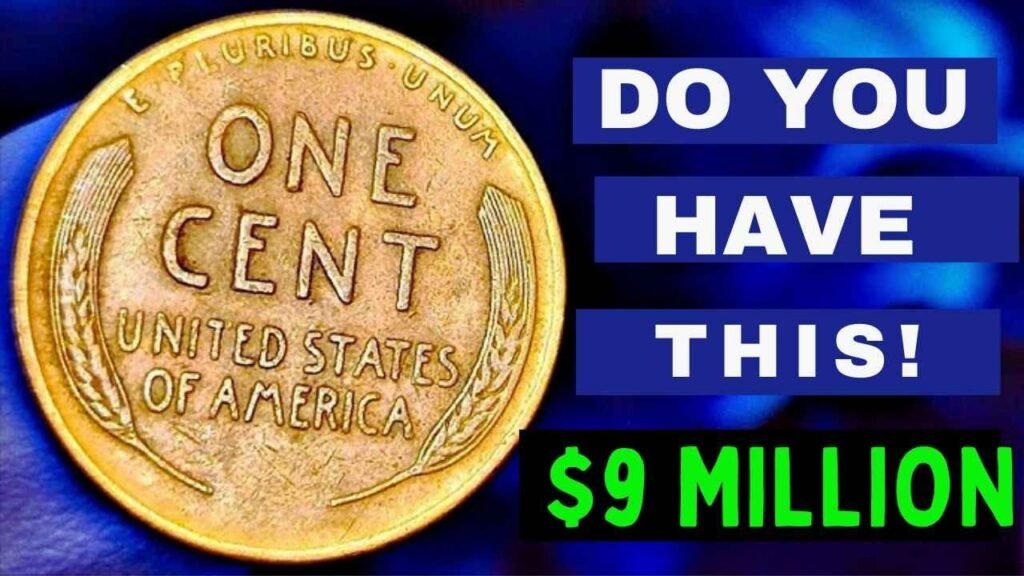
Lincoln Wheat Pennies, minted from 1909 to 1958, remain one of the most popular series among coin collectors thanks to their historical significance, iconic reverse design featuring wheat stalks, and wide range of values from pocket change to serious money. Over the past decade, prices have shown steady upward movement driven by growing collector interest, increased online auctions, professional grading popularity, and the appeal of vintage copper coins. While most common dates stay affordable, high-grade examples and key rarities have appreciated noticeably, making this a rewarding area for both new and seasoned hobbyists.
What Drives Wheat Penny Values
Several factors influence how much a Wheat Penny is worth today. Condition plays the biggest role—coins in circulated grades (worn from pocket use) fetch modest sums, while those in mint state (uncirculated) command premiums. Rarity from low mintage years, error varieties like doubled dies, and demand from new collectors all push prices higher. The shift toward digital marketplaces and third-party grading services has made it easier to track and authenticate coins, contributing to more transparent and often stronger values over time.
10-Year Price Trends for Common Wheat Pennies
Common-date Wheat Pennies in average circulated condition have seen gradual increases, reflecting broader numismatic interest and inflation. These are the everyday examples most collectors encounter in old jars or rolls. High-grade uncirculated pieces have climbed more sharply as demand for pristine examples grows.
Here are approximate value ranges for typical common-date Wheat Pennies over the past decade:
- 2015: Circulated $0.05–$0.25, Uncirculated $1–$5
- 2017: Circulated $0.10–$0.50, Uncirculated $2–$7
- 2019: Circulated $0.15–$0.60, Uncirculated $3–$10
- 2021: Circulated $0.20–$0.75, Uncirculated $4–$12
- 2023: Circulated $0.25–$1.00, Uncirculated $5–$15
- 2025–2026: Circulated $0.30–$1.50, Uncirculated $6–$18
These figures represent broad averages for non-key dates in good to fine condition versus mint state grades.
Key Dates and Rare Varieties Performance
Certain standout Wheat Pennies have outperformed the market significantly. Key dates with lower original mintages or famous errors continue to attract strong bidding at auctions. Values for these pieces often double or triple in high grades over ten years, fueled by collector competition and media attention on record sales.
Notable performers include:
- 1909-S VDB: A classic rarity that has held or increased steadily
- 1955 Doubled Die Obverse: Iconic error with dramatic doubling, seeing consistent gains
- 1922-D No D: Strong reverse variety prized for its scarcity
- 1943 Bronze (copper instead of steel): Ultra-rare wartime error commanding high figures
These coins benefit from enduring collector fascination and limited supply.
Current Market Insights for Collectors
In recent years, Wheat Pennies have benefited from a surge in grading submissions, which authenticates and protects high-value pieces while creating clearer price data. Online platforms have expanded the buyer pool globally, and interest in early Lincoln cents as an accessible entry into numismatics keeps demand healthy. While common circulated coins remain inexpensive starters, the real growth lies in better-preserved examples and varieties. Economic factors like metal content nostalgia and inflation hedging also play a subtle role in supporting values.
Looking Ahead for Wheat Penny Collectors
The trend points to continued moderate appreciation, especially for quality material. As more collectors enter the hobby and existing ones upgrade their sets, pressure on supply should keep pushing prices upward. For those building collections, focusing on graded coins in desirable condition offers the best potential return while enjoying the historical charm of these century-old pieces.
Wheat Pennies offer something for every budget and interest level. Whether you’re hunting bargains in circulated rolls or chasing gems for investment, the series delivers enduring appeal and solid long-term value trends that reward patient, informed collectors.
FAQs
How much have common Wheat Pennies increased in value over the last 10 years?
Circulated common dates have roughly tripled from a few cents to around $0.30–$1.50, while uncirculated examples have climbed from low single digits to $6–$18 or more depending on grade.
Which Wheat Pennies have seen the biggest price jumps?
Key dates, low-mintage issues like the 1909-S VDB, and major errors such as the 1955 Doubled Die have appreciated the most, often doubling or more in high grades.
Are Wheat Pennies a good investment right now?
They offer steady, moderate growth potential, especially in certified high-grade condition or rare varieties, though they’re more rewarding as a hobby with possible upside than a high-risk investment.
What condition matters most for value?
Mint state (uncirculated) coins with strong luster and minimal marks command the highest premiums, while heavily worn circulated pieces stay close to melt or nominal collector value.
Where can collectors track current Wheat Penny prices?
Major auction houses, grading service population reports, and online coin marketplaces provide real-time data, with trends showing gradual upward movement across the board.